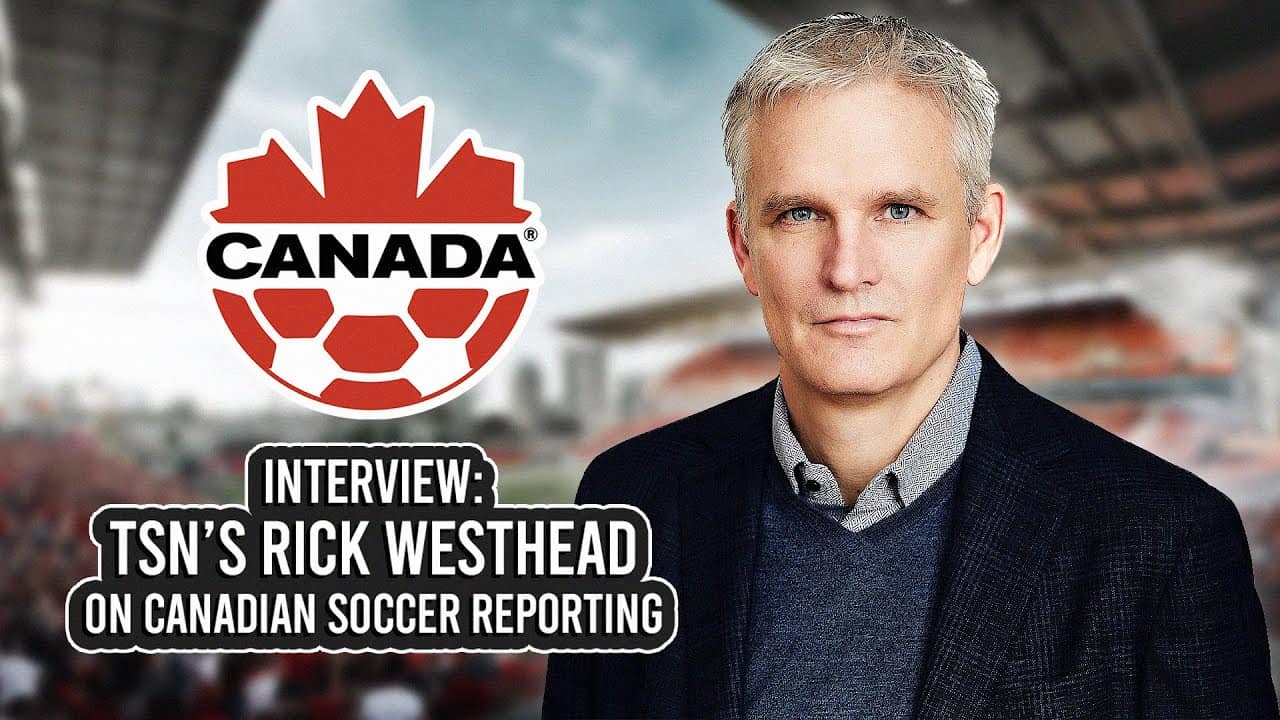
Rick Westhead joined the Footy Prime podcast from his cottage, a backdrop so scenic, we initially mistook it for a virtual background. A veteran TSN investigative reporter, Rick is often recognized for breaking the Kyle Beach sexual assault story in junior hockey, and more recently for his coverage of Canada Soccer’s turmoil, from the CBA dispute to the CSB commercial deal to Dronegate.
From War Zones to TSN Originals: How Westhead Found His Beat
Westhead’s career didn’t start in investigative journalism. He began as a traditional sports writer, but after a few years of asking athletes about goals and assists, he wanted something different. He reinvented himself as a foreign correspondent for the Toronto Star, reporting from India, Afghanistan, Pakistan, and Haiti, and was in Japan during the 2011 tsunami, close enough to the Fukushima nuclear plant that an editor asked whether he had “his affairs in order.”
As newspapers struggled, TSN offered him a job a decade ago. While his investigative work draws headlines, he said the TSN Originals features are what he finds most fulfilling, citing profiles of Olivier Rioux, Alphonso Davies, Milan Borjan, Jonathan Osorio, Jordyn Huitema, and Quinn. He framed his harder-edged reporting the same way, including the CanWNT’s SheBelieves Cup strike threat: giving players like Christine Sinclair and Janine Beckie “a voice” to explain their grievances with the federation, while always giving Canada Soccer a chance to respond.
On Giving Canada Soccer the Right to Respond
Asked how he answers critics who accuse him of only telling one side, Westhead said reaching out to Canada Soccer is standard on every story, sometimes multiple times in a single day. When allegations are complex, he gives the federation time to respond properly, even if that delays publication by a few days, because “it’s important to give people the opportunity to respond” before a major story runs.
He also described an internal editing and legal review process every story passes through before publication, while acknowledging he isn’t infallible: looking back at years of reporting, he said there are “a few instances” where he wishes he’d added more context.
A Federation Unused to Scrutiny
Westhead described his relationship with Canada Soccer as “getting better,” while stressing that the organization was navigating unfamiliar territory when his reporting on the CSB commercial deal began. He noted that, Hockey Canada aside, few Canadian sport federations have faced this level of scrutiny, since the public typically only sees these organizations at Olympic medal ceremonies.
That original CSB reporting was driven by national team players who felt the deal funneled sponsorship and marketing money away from the national teams and toward a men’s domestic professional league. Westhead was careful to note it isn’t his place to judge whether the players were right, only to give them a platform to raise the allegation and let it be reported on.
Answering the Bias Question
Pressed on whether TSN’s status as a broadcast rights holder creates a conflict of interest in his reporting, Westhead pointed to his own track record of investigating the network’s partners. His 2022 reporting led directly to the cancellation of the World Juniors hockey championship and lasting damage to Hockey Canada’s brand, despite the tournament’s importance to TSN.
He cited a more recent example too: breaking the story that Toronto Argonauts quarterback Chad Kelly, the CFL’s reigning most outstanding player and a TSN analyst, was accused of sexual harassment. His conclusion: “we’ll go wherever the story takes us,” regardless of who it involves.
The One Time He Was Steered Away
Westhead recalled one instance, while at the Toronto Star, when a story he was working on brushed up against an advertiser’s interests, and an editor suggested he pursue something else instead. It wasn’t an outright refusal, he said, just a soft redirection, and that editor no longer works in journalism.
In a decade at TSN, he said, “no one has ever said to me, don’t do that story,” with the only standing instruction being to get it right and be fair.
Does Rick Westhead Know Enough About Soccer to Cover It?
A common critique from the public is that Rick lacks the soccer expertise to fully understand the nuances behind his reporting on Canada Soccer and the CSB deal. Westhead pushed back gently, calling it an opinion he’s entitled to disagree with, and noting he’s grateful not to live somewhere media only report “what is approved by people high up in power.”
He was candid about the gaps in his own soccer knowledge, joking that he’s learned not to say “offsides plural” and has picked up on how often broadcasters say “quality.” But he leaned on his editorial support system as the real safeguard: TSN’s Owen Mahar, who leads the network’s soccer coverage, reviews his copy before publication, along with colleagues who work on the network’s Copa América and World Cup production.
Watch the Full Interview
Or Hear the Full Episode on Spotify | Apple Podcasts